



Human papillomavirus (HPV) is a very common disease from which neither children nor adults are protected.It is quite easy to become infected with this infection, because its cells are around us and remain viable for a long time without a carrier.
In addition, it can settle unnoticed in the human body and will only manifest itself at a certain time.All this time, the infected object carries the disease, which is why HPV is transmitted both to people close to him and to his family members.
Papillomavirus – a provocateur of the development of oncology
Almost every third person develops small growths on their body, which at first glance seem harmless and harmless.When such tumors are detected, the patient's first reaction is to pluck or remove them using traditional methods.
In fact, such actions often cause irreparable harm to health, since improper removal of the papilloma can cause active proliferation of epithelial tissue.This is what contributes to the rapid spread of HPV in the body and in some cases even causes mutation of skin cells with subsequent degeneration into a cancerous tumor.
To date, scientists have divided all types of papillomaviruses into three categories:
- on;
- low tumorigenic;
- highly oncogenic.
These groups include certain types of diseases, which have their own level of probability of transformation of the growth into a cancerous tumor.A virus with low and high oncogenicity, when entering the body, penetrates the genome of epithelial cells, which changes their structure and causes the appearance of a malignant tumor.In this case, the patient requires immediate professional treatment, because if this problem is ignored, everything can end in death.It is not worth fighting the disease alone, because it will still not be possible to cure it without the help of a specialist.
Important!In medical practice, there are precedents when a patient is diagnosed with a safe form of papillomavirus, but under the influence of external factors, most often due to mechanical damage to growth, papillomas always degenerate into oncology.
How is the human papilloma virus transmitted?
All types of diseases, oncogenic and harmless, are spread in the same way.HPV can be transmitted in three ways:
- sexual intercourse with an infected person;
- transmission of infection from mother to child during pregnancy (vertical method);
- domestic transmission.
The presence of skin lesions increases the risk of contracting the disease.Through small abrasions or scratches, virus cells quickly penetrate deep into the skin and begin to spread throughout the body.Additionally, the following factors can increase the risk of infection:
- weakening of the body's protective functions (seasonal or postoperative);
- the presence of intestinal dysbiosis or disturbances in the normal microflora of the vagina;
- vitamin deficiency;
- alcohol dependence;
- sexually transmitted diseases, especially gonorrhea, syphilis, trichomoniasis
- diabetes of any type;
- exacerbation of any chronic disease;
- pregnancy at any stage;
- frequent exposure to stressful situations.
In addition, people most likely to be infected with papillomavirus are experienced smokers, as well as women taking combined-type contraceptive pills.
Sexual transmission of HPV

If you have a weakened immune system, sex with a sick person is a 100% way to get human papillomavirus infection.Due to the high risk of transmission of the causative agent of the disease, doctors insist on abandoning promiscuity and recommend entering into intimate relationships only with a trusted sexual partner.
Research into the nature of the papillomavirus has established that in almost 75% of cases, the source of infection is a man.However, this does not mean that the majority of infected representatives of the fair sex do not spread HPV.The presence of external symptoms of the disease – condyloma, located on the mucous membranes of internal organs – can increase the risks of transmission of the human papilloma virus from a woman to a man.Additionally, even a strong immune system is not always able to protect against this type of human papillomavirus infection.
There is an opinion that you can get the disease only during normal sexual intercourse (penetration of the penis into the vagina).But in reality, this is not the case.Doctors say the virus cells spread regardless of the method of sexual contact with the carrier.This could be:
- oral sex;
- touch the genitals with your hands;
- anal sex;
- sexual intercourse without penetration.
Additionally, the virus is contained in saliva, so you can become infected with HPV even through a simple kiss.
Will a condom protect against illness?
Manufacturers of barrier contraceptives claim that a condom is 99% capable of preventing infection with any sexually transmitted disease.This raises a completely logical question: is it effective against papillomavirus?

HPV is a unique infection against which there is no absolute protection.Therefore, even a condom will not completely guarantee that the infection will not be transmitted from a carrier to a healthy person during sexual intercourse.This is explained by the fact that the infected object has viral cells all over the skin, and if you wear a condom, the papillomavirus will enter the body not through contact with the genitals, but through contact with other parts of the body.
Of course, this does not mean that condoms are a useless method of contraception.Although it does not protect against HPV, it prevents the transmission of other, more serious diseases and also protects against unplanned pregnancies.
Important!If you have a strong immune system, the likelihood of becoming infected with HPV during sexual intercourse is almost zero, but doctors recommend not excluding this possibility and taking additional precautions, for example, regularly taking immunomodulatory drugs.
Vertical infection method
The vertical mode of transmission of the virus is the infection of a child during its intrauterine development or during its passage through the birth canal.
Infection occurs until about the sixth week of pregnancy, at a time when the baby's bronchioles and alveoli have not yet formed.At this stage, the fetus begins to develop respiratory papillomatosis.If, when a baby is born, he or she is diagnosed with breathing difficulties due to growths in the airways, doctors perform surgery.In this case, drug treatment is useless.
If the mother-to-be is infected with papillomavirus after 6 weeks of pregnancy, the virus can be transmitted during childbirth.The baby is deprived of placental protection and passes through the birth canal, where the infection occurs.
Treatment of HPV in pregnant women
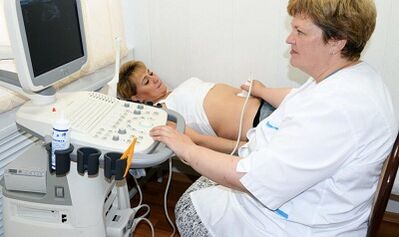
If the human papillomavirus is detected without external signs, doctors prescribe the woman to take immunostimulating drugs.If the future mother has condyloma on the walls of the vagina or cervix, they must be removed.You can do this using:
- laser therapy;
- electrocoagulation;
- destruction of radio waves.
In a particularly serious case, the patient is prescribed surgical intervention.This method is only used when the tumor exceeds 5 cm or there is suspicion of cancer.
With a pre-established diagnosis of papillomavirus, a pregnant woman undergoes a cesarean section.This is the only way to protect a child from infection.
Very often, the papillomavirus manifests itself after pregnancy.The reason was a temporary decrease in the protective functions of the body.If there are no growths on the walls of the vagina or cervix, no treatment is prescribed.Usually, after the baby is born, the outward signs of HPV disappear on their own.
Domestic transmission of the virus
When diagnosing a person with papillomavirus, it can be said with 90% certainty that it has already been transmitted to all other members of their family.You can become infected with HPV at home:
- when wearing shoes or clothing of a sick person;
- when sharing towels, washcloths, and other personal hygiene items;
- through saliva when using dishes or a toothbrush;
- after using a razor (the greatest risk of infection is when the skin is cut).
Other ways infection spreads
In addition to all listed routes of transmission of papillomavirus, it is quite possible to detect the causative agent of the disease:
- in a public bath, sauna or swimming pool;
- in public transport (the main places where virus cells accumulate are handrails, seats, doors);
- when shaking the hand of a sick person;
- when using elevators, escalators;
- in a manicure salon (in case of insufficient sterilization of instruments).
Not so long ago, information was published that almost 20% of cases of papillomavirus infection occur during donor blood transfusion.Additionally, hospital and clinic staff are at greatest risk of infection, as they can inhale pathogenic cells through contact with a patient.In this case, a medical mask is a weak method of protection.
Vaccination – guaranteed safety against HPV?
Many people have heard about the benefits of vaccination against human papilloma virus, but few know that even this method does not guarantee complete safety from infection.
There are two types of preventive medications today.It is a mistake to assume that they protect against all existing types of papillomavirus.Their composition helps protect you against only a few types of HPV, classified as dangerous for cancer types - 6, 11, 16, 18.